
Supporting the career development of trainees interested in rheumatic diseases and translational immunology
The Interdisciplinary Training in Rheumatic Diseases (ITRD) plays an essential role in supporting the career development of trainees interested in rheumatic diseases and translational immunology. There are two predoctoral and three postdoctoral training slots. The postdoctoral positions are intended for MD, MD/PhD, or PhD scientists whose research is conducted in the laboratories of a group of accomplished preceptors.
Collaborative research environment
The ITRD T32 Program offers trainees a highly collaborative and intellectually rich research environment that bridges basic, translational, clinical, and computational science. Built upon the close integration of Vanderbilt University and Vanderbilt Health, the program brings together an interdisciplinary network of investigators committed to advancing the understanding and treatment of rheumatic diseases.
The program includes mentors from the Divisions of Rheumatology and Immunology, Pulmonary and Critical Care Medicine, Hematology/Oncology, Infectious Diseases, Clinical Pharmacology, and Pediatrics, as well as faculty from the Departments of Biomedical Informatics, Pathology, Microbiology and Immunology, Orthopedics, Dermatology, and Biomedical Engineering. This breadth of expertise creates unique opportunities for trainees to engage in team science and pursue innovative research questions that span traditional disciplines.
Trainees benefit from access to Vanderbilt's extensive research infrastructure, including the Vanderbilt Center for Immunobiology (VCI), Vanderbilt Institute for Infection, Immunology and Inflammation (VI4), Vanderbilt Institute for Clinical and Translational Research (VICTR), Vanderbilt Genetics Institute (VGI), BioVU, and numerous shared core facilities supporting genomics, flow cytometry, imaging, proteomics, data science, and biostatistics. These resources facilitate collaborations that extend beyond individual laboratories and promote the translation of fundamental discoveries into improved patient care.
The collaborative culture of the ITRD is reinforced through multidisciplinary seminars, research forums, journal clubs, trainee presentations, works-in-progress meetings, and peer mentoring activities. Predoctoral and postdoctoral trainees interact regularly with faculty and fellow trainees from across the institution, fostering scientific exchange, professional development, and long-term collaborative relationships. Through these interactions, trainees gain the skills, perspectives, and professional networks needed to become successful, independent investigators in rheumatic disease research.
Program Leadership and Support
The ITRD T32 Program is led by Co-Principal Investigators Dr. Tracy M. Frech and Dr. Amy S. Major, who also serve as Co-Chairs of the Executive Committee. Together, Drs. Frech and Major provide leadership for the program's scientific vision, trainee development, mentor engagement, and strategic growth.
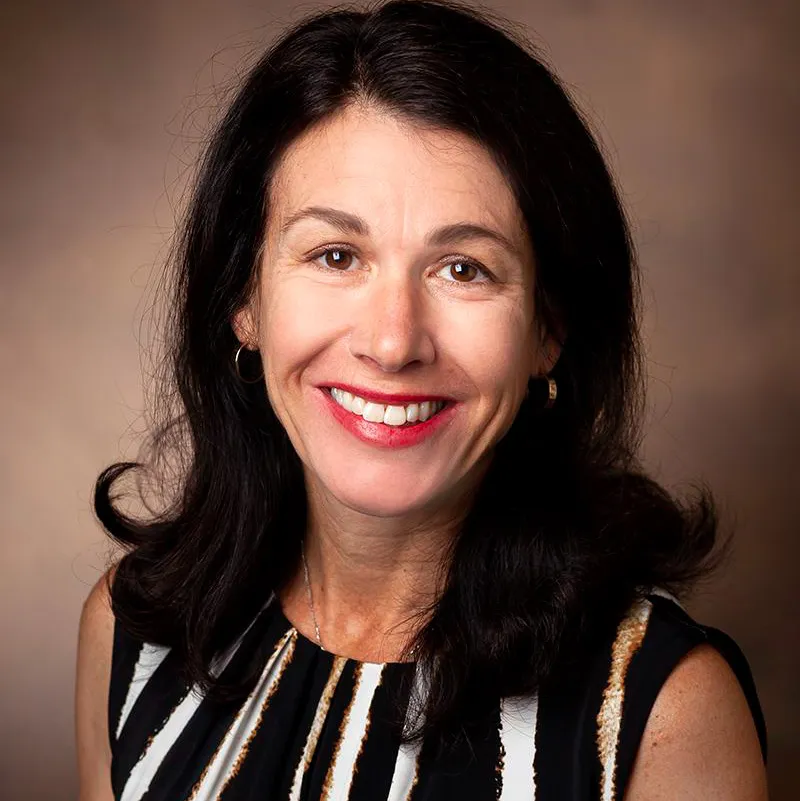
Tracy M. Frech, MD, MSCI, isis Associate Professor of Medicine and Director of the Division of Rheumatology and Immunology at Vanderbilt Health. An internationally recognized physician-scientist, Dr. Frech is dedicated to mentoring trainees at all career stages and developing the next generation of rheumatology investigators. Her research focuses on systemic sclerosis, Raynaud's phenomenon, and other connective tissue diseases, with particular interests in early diagnosis, vascular biology, clinical outcomes, and clinical trial development. Through her leadership of national and international research collaborations, Dr. Frech provides trainees with opportunities to participate in multidisciplinary, translational research aimed at improving patient care and advancing the treatment of rheumatic diseases.
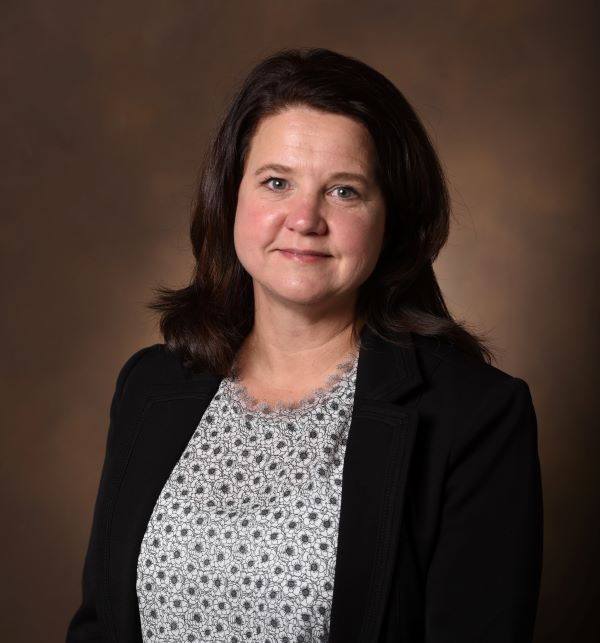
Amy S. Major, PhD, is Associate Professor of Medicine and Pathology, Microbiology and Immunology (PMI). Her laboratory studies immunological mechanisms of autoimmunity and how autoimmunity accelerates cardiovascular disease. She is an expert in the use of mouse models of systemic lupus erythematosus (SLE) and atherosclerotic cardiovascular disease. She is co-PI of Vanderbilt’s Building Interdisciplinary Research Careers in Women’s Health (BIRCWH) K-12 Program and the Faculty Director of Undergraduate Immersion for the Vanderbilt University School of Medicine, where she oversees programs that provide Vanderbilt undergraduates with immersive experiences in biomedical research.
Executive and Advisory Committees
The Executive Committee oversees program operations, trainee selection and evaluation, curriculum development, and mentoring activities. The program is further supported by Internal and External Advisory Committees composed of nationally recognized leaders in rheumatology, immunology, biomedical informatics, genomics, and translational research. These committees provide guidance on program direction, trainee development, and emerging opportunities in rheumatic disease research.
Executive Committee: Tracy M. Frech, MD (Co-chair), Amy S. Major, PhD (Co-Chair), and Michelle J. Ormseth, MD, MSCI.
Internal Advisory Committee: Julie A. Bastarache, MD (Chair), Peter J. Embi, MD, MS, Dan M. Roden, MD, and Eric P. Skaar, PhD.
External Advisory Committee: Karen H Costenbader, MD, MPH (Brigham and Women's Hospital and Harvard Medical School), and Jason S, Knight, MD, PhD (University of Michigan).
Success in Research Training
Program Outcomes
Over the past decade, the ITRD T32 has maintained an outstanding record of trainee success. Graduates have obtained faculty appointments at academic medical centers, leadership positions in industry and government, and competitive federal funding, including NIH K- and R-series awards, VA Career Development Awards, and foundation-funded fellowships. Former trainees now lead independent research programs spanning rheumatology, immunology, cardiovascular disease, biomedical informatics, and translational science.
Examples of ITRD alumni who have gone on to successful careers in academia, industry, and clinical research include:
- Rachel H. Bonami, PhD, is Assistant Professor of Medicine in the Division of Rheumatology and Immunology and a member of the ITRD training faculty. Her research focuses on B-cell biology, immune tolerance, and the mechanisms that drive autoimmune diseases such as type 1 diabetes. She has mentored multiple pre- and postdoctoral trainees through the ITRD program. Dr. Bonami is committed to mentoring trainees at all levels and has helped support trainees who have received NIH and foundation-funded fellowships. Her laboratory combines basic and translational immunology approaches to develop novel strategies for preventing and treating autoimmune disease.
- Michelle Ormseth, MD, MSCI, is Associate Professor of Medicine in the Division of Rheumatology and Immunology, Director of Clinical Research for the division, and a member of the ITRD executive committee. Her research focuses on the role of small RNA, including microbial small RNA, in the pathogenesis of RA and SLE. She is also involved in developing novel therapeutic strategies for the treatment of rheumatic diseases. Since completion of the ITRD program, she has maintained continuous funding through NIH, VA ORD, DoD, and foundations.
- Paras Karmacharya, MBBS, was a postdoctoral fellow in the ITRD. His research focuses on psoriatic arthritis and other spondyloarthritides, with an emphasis on improving disease classification, clinical outcomes, and therapeutic strategies through translational and patient-oriented research. Following completion of the ITRD program, Dr. Karmacharya established an independent research program and secured an NIH K23 Career Development Award, supporting his work to improve the diagnosis and management of patients with inflammatory arthritis.
- Robert Corty, MD, PhD, was a member of the Harrison Society and completed the ITRD. His research focuses on the role of somatic genetic variation and mosaicism in autoimmune and autoinflammatory diseases, including VEXAS syndrome. Using genomic, computational, and clinical approaches, Dr. Corty investigates how genetic and environmental factors contribute to immune dysregulation and rheumatic disease, with the goal of improving diagnosis, precision medicine, and therapeutic strategies for patients with autoimmune disorders. After completion of the ITRD, he rapidly received multiple foundation awards, and a VA Career Development award.
- April Barnado, MD, MSCI, obtained an MSCI through the T32 and extended her development with a K08 award and subsequent R01 from the NIH. She developed an algorithm in the electronic health record that accurately identifies patients with SLE and uses it to define treatment response in SLE. She has mentored a postdoctoral fellow in the ITRD and currently serves as Medical Director for Bristol Myers Squibb.
These individual examples demonstrate how our interdisciplinary research program catalyzes innovations and promotes the career development of the next generation of physician-scientists.
The ITRD is supported by the National Institute of Arthritis and Musculoskeletal and Skin Diseases (NIAMS) and has received continuous funding through four competitive funding cycles, with the most recent renewal extending support through 2031. Vanderbilt's extensive research infrastructure, including internationally recognized programs in immunology, precision medicine, clinical and translational research, biomedical informatics, and genomics, provides trainees with exceptional opportunities for interdisciplinary collaboration, cutting-edge research, and career development.
The ITRD Program includes a training faculty with expertise spanning rheumatology, immunology, cardiovascular disease, infectious diseases, musculoskeletal biology, biomedical informatics, precision medicine, and translational science. A selection of our training faculty is listed below.
| Name | Credentials | Rank | Division/Department |
|---|---|---|---|
| Tracy M. Frech | MD | Associate Professor | Rheumatology & Immunology, Department of Medicine |
| Amy S. Major | PhD | Associate Professor | Rheumatology & Immunology; Pathology, Microbiology & Immunology |
| Michelle J. Ormseth | MD, MSCI | Associate Professor | Rheumatology & Immunology, Department of Medicine |
| Rachel H. Bonami | PhD | Assistant Professor | Rheumatology & Immunology, Department of Medicine |
| Charles M. Stein | MBChB | Professor | Genetic Medicine/ Clinical Pharmacology, Department of Medicine |
| Alexander G. Bick | MD, PhD | Associate Professor | Genetic Medicine/ Clinical Pharmacology, Department of Medicine |
| Luc Van Kaer | PhD | Professor | Pathology, Microbiology & Immunology |
| James E. Cassat | MD, PhD | Associate Professor | Infectious Diseases, Department of Medicine |
| Jonathan Schoenecker | MD, PhD | Professor | Orthopedic Surgery |
| Mary Philip | MD, PhD | Assistant Professor | Hematology/Oncology, Department of Medicine |
| Nicole L. Ward | PhD | Professor | Dermatology |
| Elizabeth Phillips | MD | Professor | Allergy, Pulmonary & Critical Care Medicine |
| Craig L. Duvall | PhD | Professor | Biomedical Engineering |
| Anna R. Hemnes | MD | Professor | Pulmonary & Critical Care Medicine |
| Douglas B. Johnson | MD | Professor | Hematology/Oncology, Department of Medicine |
| Jonathan A. Kropski | MD | Professor | Pulmonary & Critical Care Medicine |
| Jeffry S. Nyman | PhD | Professor | Orthopedic Surgery / Vanderbilt Center for Bone Biology |
| Kristin Archer | PhD, DPT | Professor | Orthopedic Surgery / Rehabilitation Research |
| Katherine N. Cahill | MD | Associate Professor | Allergy, Pulmonary & Critical Care Medicine |
| Jin Chen | PhD | Professor | Rheumatology & Immunology, Department of Medicine |
| Annet Kirabo | PhD, DVM | Professor | Clinical Pharmacology, Department of Medicine |
| Borden Lacy | PhD | Professor | Pathology, Microbiology, & Immunology |
| Simon Mallal | MBBS | Professor | Infectious Disease, Department of Medicine |
| Jeffry Nyman | PhD | Professor | Orthopedic Surgery |
| Anna Patrick | MD, PhD | Assistant Professor | Pediatrics |
| Heather Pua | MD, PhD | Assistant Professor | Pathology, Microbiology, & Immunology |
| Henrique Serazani | PhD | Associate Professor | Infectious Disease, Department of Medicine |
| Eric Tkaczyk | MD, PhD | Associate Professor | Dermatology |
| Erin Wilfong | MD | Assistant Professor | Rheumatology & Immunology, Department of Medicine |