The Vanderbilt Health Internal Medicine Residency Program provides rigorous training for future health care leaders who will improve the human condition through the practice of medicine
Our program has been training distinguished physicians and scientists since 1925 and is among the top internal medicine programs in the country today.
The Vanderbilt tradition fosters strong peer and faculty mentor relationships with emphasis on excellence in patient care, attention to detail and a scholarly approach to clinical issues. The qualities we value most are intellectual curiosity, honesty, compassion and genuine enthusiasm for learning and for sharing what has been learned.
The Department of Medicine and the residency program uphold the Medical Center's highest academic standards, emphasizing the values of patient care, discovery, mentorship, and professionalism. Our program provides residents with exposure to a full array of experiences in all areas of internal medicine.
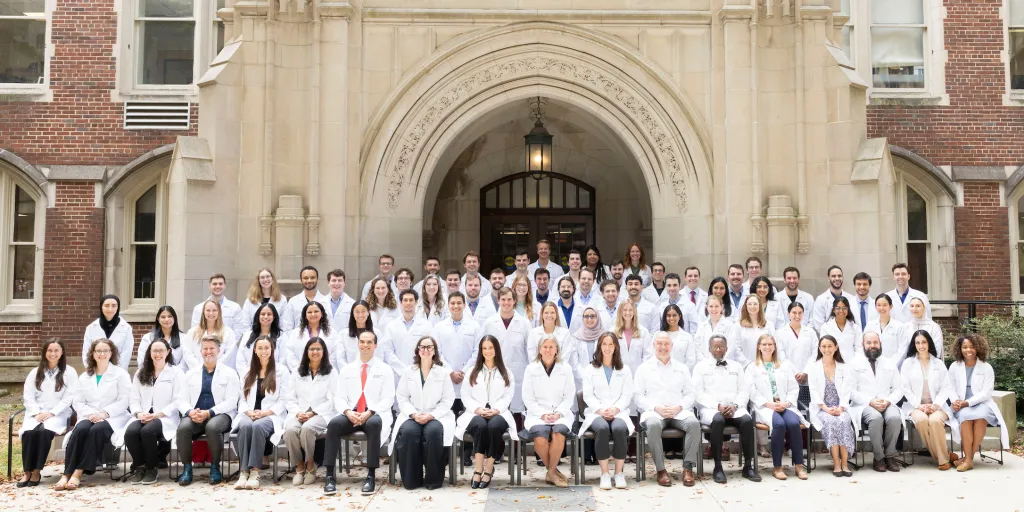
Internal Medicine residents and Department of Medicine faculty pictured on the Vanderbilt campus.
Welcome!
The mission of our program is to provide academic rigor in a supportive environment and to train future leaders in academic medicine who will improve the human condition through the practice of medicine, education, research and service.
Residents cite their sense of camaraderie as one of our program's greatest strengths. We attract talented residents from around the world, and the unique environment at Vanderbilt facilitates the development of close friendships among the residents, the faculty, and their families.
Collaborative, innovative training
Each year, our clinical faculty and trainees care for more than 233,000 outpatients and nearly 32,000 inpatients at Vanderbilt Health, as well as patients at the Nashville VA Medical Center. As the leading provider of indigent care in Tennessee, our institution serves patients from all backgrounds and communities.
The Department of Medicine has over 1,000 faculty affiliated with 12 divisions and several interdisciplinary research centers. More than 150 residents and 400 fellows and graduate students are currently training within the department.
We always seek new ways to mentor young learners and to develop future leaders in medicine, which requires a collaborative and innovative faculty working in partnership with others. Optimism, measured success, and teamwork are remarkable strengths of our faculty.
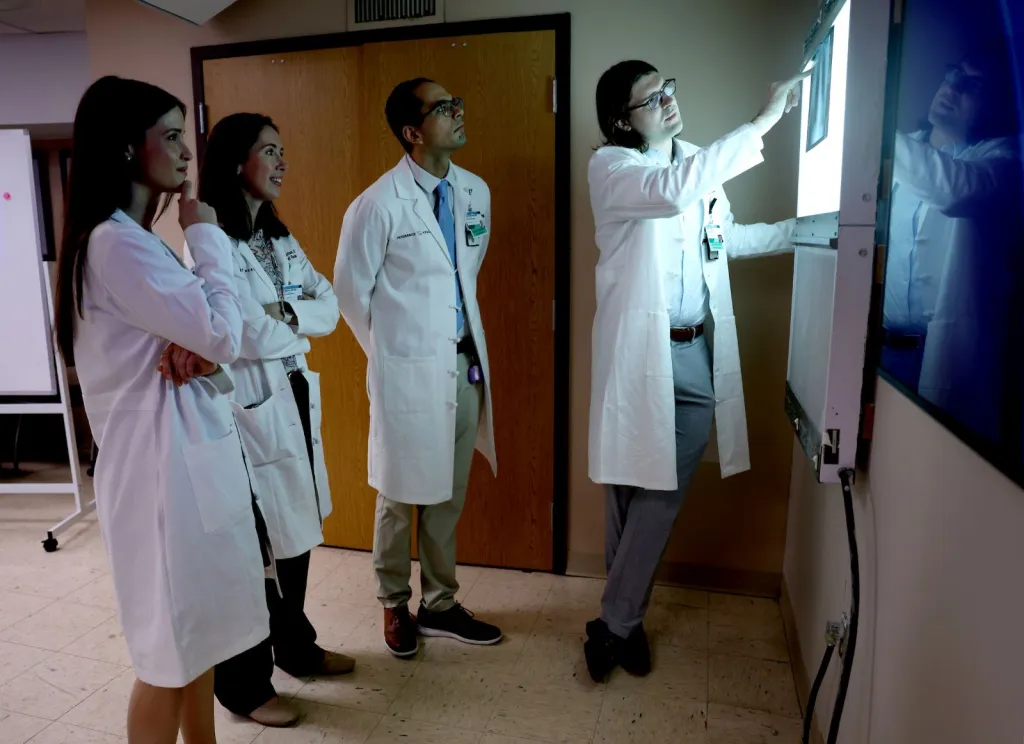
The Department of Medicine considers residency education to be a top priority. Unique features of our department include:
- A strong emphasis on bedside teaching. Attending rounds are conducted at the bedside daily on all our units.
- To maximize exposure to a wide array of subspecialists and patients, residents rotate on dedicated inpatient subspecialty services in cardiology, geriatrics, heart failure, hematology, hepatology, infectious diseases, nephrology, oncology, and pulmonary medicine.
- Significant growth of departmental non-teaching services ensures that the patients on the general medicine teaching services provide the best educational experience for house staff.
- Multidisciplinary ICU rounds that emphasize a team approach to care of the critically ill.
- Continued expansion of the primary care faculty (currently, there are approximately 100 clinical faculty in the Division of General Internal Medicine and Public Health) and organization of the ambulatory rotations in a "4 + 2 block" system for better teaching and an overall richer experience.
- A bedside procedure service in which residents receive intensive formal procedural training and direct attending level procedural supervision.
Vanderbilt University was founded in 1873 by a $1 million gift from Commodore Cornelius Vanderbilt in order "to contribute to strengthening the ties that should exist between all sections of our common country." For the first 50 years of the university's existence, the School of Medicine occupied buildings in downtown Nashville. In 1925, under the leadership of Canby Robinson, a new hospital was built on the main campus and the modern School of Medicine was born.
Since then, Vanderbilt University School of Medicine has gained national prominence in many areas. Two Vanderbilt faculty, Dr. Earl Sutherland (cyclic AMP) and Dr. Stanley Cohen (epidermal growth factor) have won the Nobel Prize in Medicine, and Vanderbilt scientists continue to excel in research. At the present time Vanderbilt University School of Medicine ranks 11th in the nation in total NIH research grants, and the total value of Vanderbilt University Medical Center's external support for competitive research grants totals $483 million. In addition, Vanderbilt's rate of growth in NIH grants has been among the fastest in the nation over the past several years.
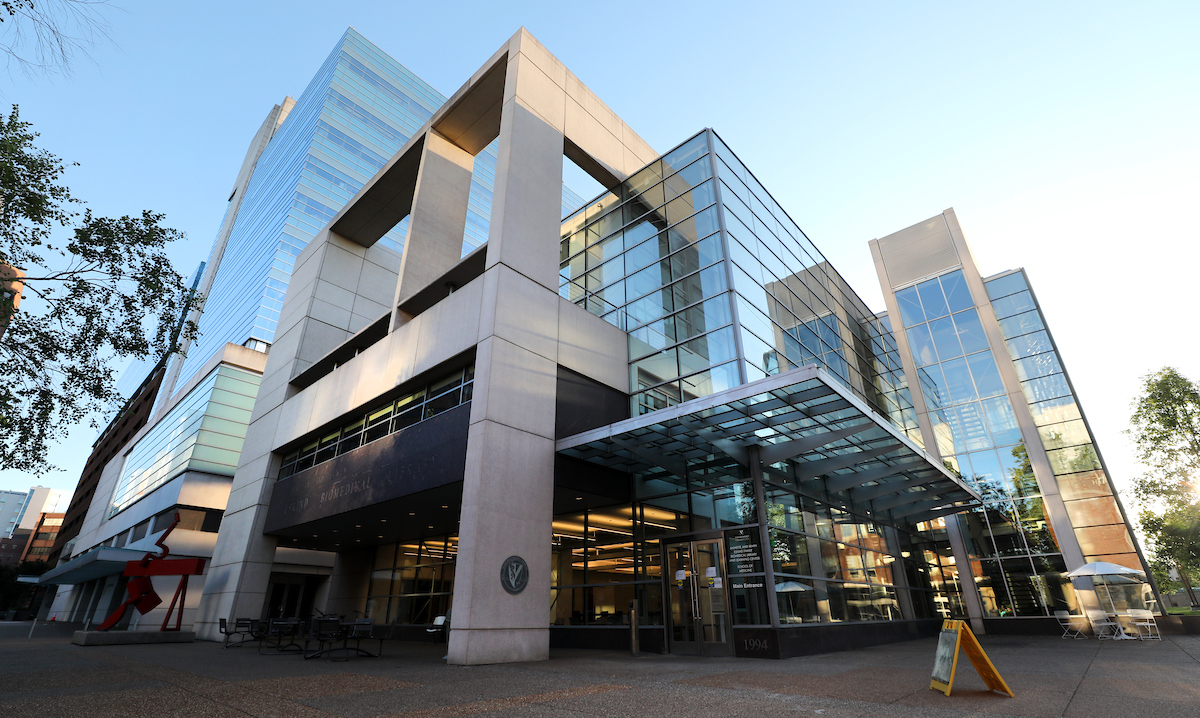
Eskind Biomedical Library
The Department of Medicine has had an equally illustrious history, beginning with its founding by chair Dr. Canby Robinson in 1925. Research in the Department of Medicine at Vanderbilt has led to major improvements in our understanding of disease, and currently the department ranks No. 1 in NIH funding among Departments of Medicine nationally.
The first Chief Resident in Medicine in the new facility in 1925 was Dr. Tinsley Harrison, who would remain on the faculty until 1941. The outstanding clinical leadership begun by Dr. Harrison and others continues to this day in the Department of Medicine. This happens through an integrated medical campus including the Vanderbilt University Hospital, the adjacent Veterans Affairs Hospital, and the Vanderbilt Clinic, which sees approximately 1.5 million outpatient visits per year.
To support the robust research programs at Vanderbilt, The Annette and Irwin Eskind Biomedical Library opened in 1994 adjacent to the main hospital and is home to state-of-the-art electronic information. House staff can access the library's databases remotely at any time.
The library is also home to the Department of Medical Informatics, one of the most outstanding informatics programs in the nation. Through cooperation between informatics and clinical departments, chiefly the Department of Medicine, our informatics program has been a national leader in the use of electronic health records for clinical care and discovery.
Program Director:
- Megan Dupuis, MD, PhD, Assistant Professor of Medicine (Hematology and Oncology)
Associate Program Directors:
- JP Arroyo, MD, PhD, Assistant Professor of Medicine (Nephrology and Hypertension)
- Evan Brittain, MD, MSCI, Professor of Medicine (Cardiovascular Medicine); Director, Tinsley Randolph Harrison Society
- Walter Clair, MD, MPH, Professor of Medicine (Cardiovascular Medicine)
- Jill Gilbert, MD, Professor of Medicine (Hematology and Oncology)
- Deepak Gupta, MD, MSCI, Associate Professor of Medicine (Cardiovascular Medicine)
- Jacob Hathaway, MD, MPH, Assistant Professor of Medicine (General Internal Medicine and Public Health)
- Merranda Holmes, MD, Assistant Professor of Clinical Medicine (General Internal Medicine and Public Health)
- Kaele Leonard, MD, Assistant Professor of Medicine (Allergy, Pulmonary and Critical Care Medicine)
- Neeraja Peterson, MD, MSc, Professor of Medicine (General Internal Medicine and Public Health); Associate Chair, Ambulatory Education
- Alyssa Steitz, MD, Assistant Professor of Medicine (Nephrology and Hypertension)
- Chris Terndrup, MD, Associate Professor of Medicine (General Internal Medicine and Public Health)
- Elizabeth Ann Yakes, MD, Associate Professor of Medicine (General Internal Medicine and Public Health)
- Nico Herrera, MD, Assistant Professor of Medicine (Infectious Diseases)
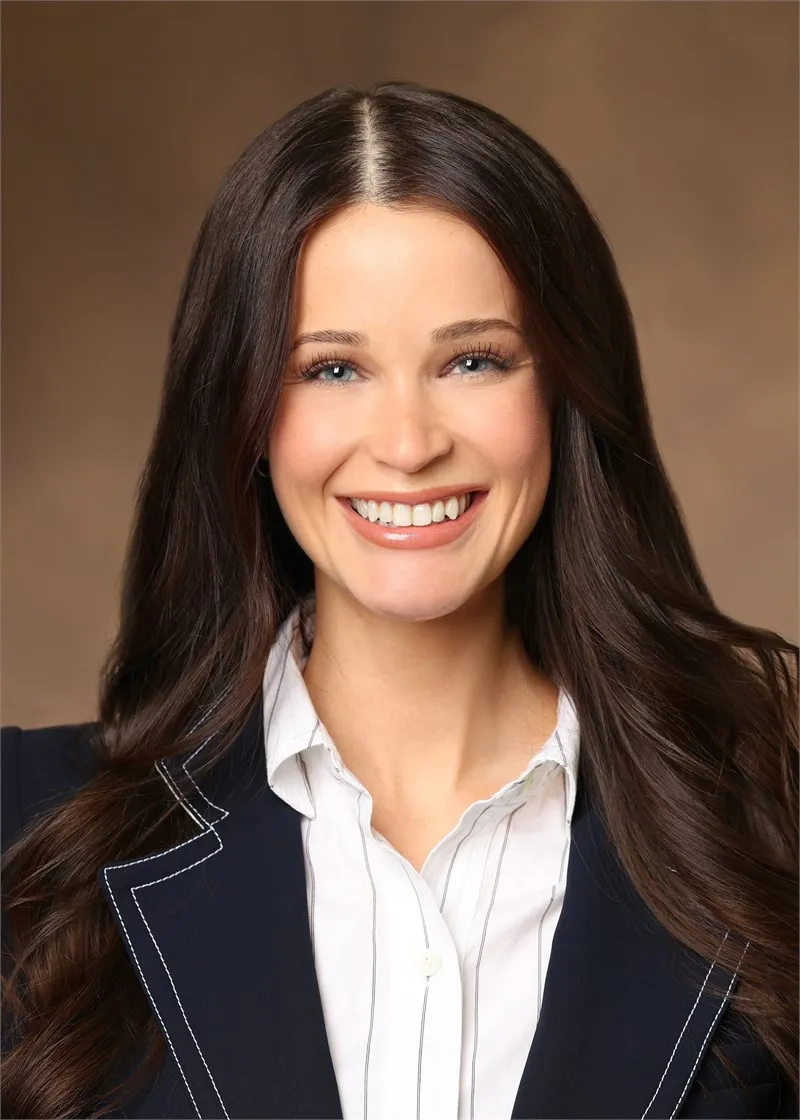
Madison Bandler, MD
VUMC Inpatient Chief Resident
VUMC Resident Voices
“It’s Monday morning at 7:30 a.m. You’re grabbing a coffee, pulling up a chair, and working through a fascinating morning report case with your co-residents and faculty members. The kind of case that makes you lean forward in your seat. The kind of discussion where everyone's bouncing ideas off each other, and you leave feeling like you actually get medicine a little better than you did an hour ago. You remember why you fell in love with the field. That's what our didactics feel like — not a lecture you're sitting through, but a conversation you're part of.
And that spirit carries through everything here. VUMC is a place that takes excellence seriously and manages to make it feel collaborative rather than competitive. The culture of camaraderie isn't just a talking point — it's what you feel walking into a conference surrounded by your friends, what you feel caring for patients on the wards, and what you feel when consulting a subspecialist who genuinely wants to answer your question.
Ask any of our residents what makes this program great, and they won't lead with the research pathways or the clinical volume (though both are exceptional). They'll tell you about the people. The attendings who stayed after conference to continue talking through a case. The co-resident who brought in a waffle maker during a long stretch of nights. The chief whose door is always open and whose candy drawers are always fully stocked.
I'm so proud to be part of what makes VUMC what it is — and I can't wait to pay that forward.”
Program Leadership
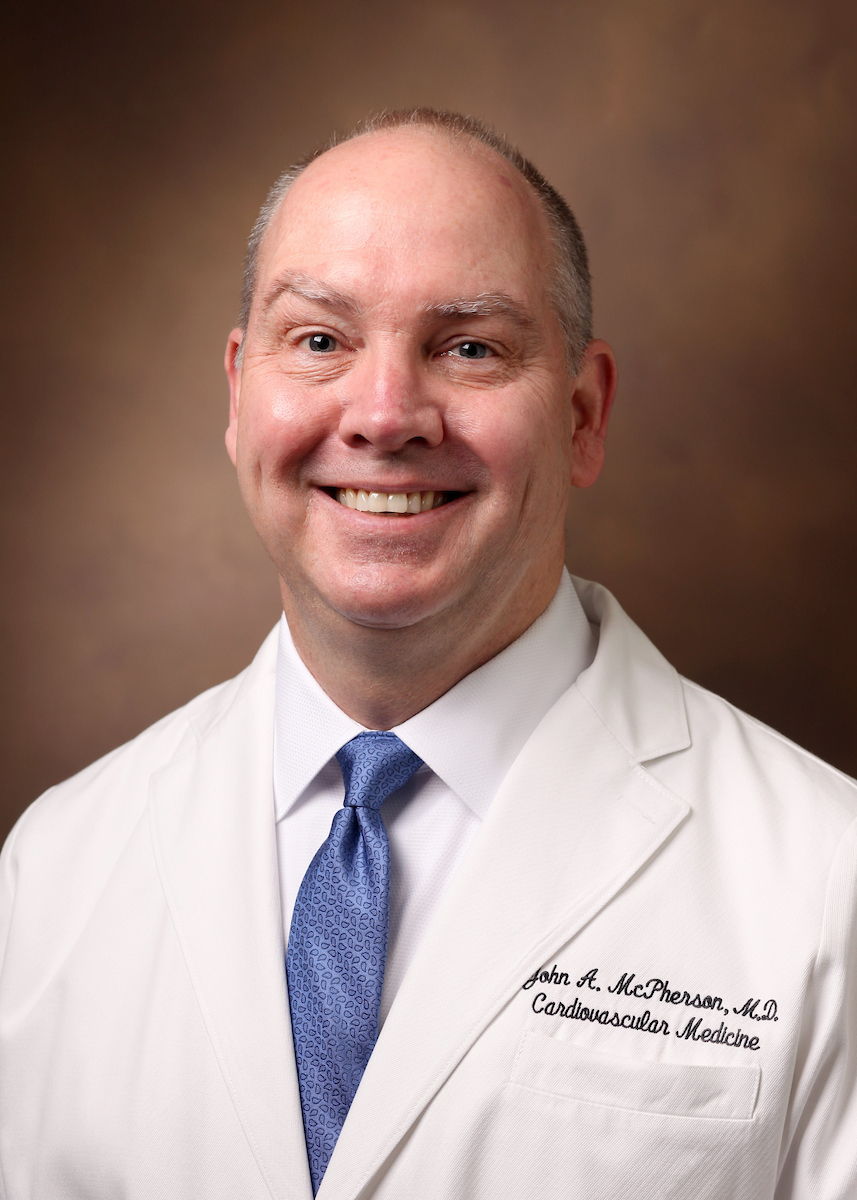
John McPherson, MD
Professor of Medicine
Vice Chair for Education, Department of Medicine
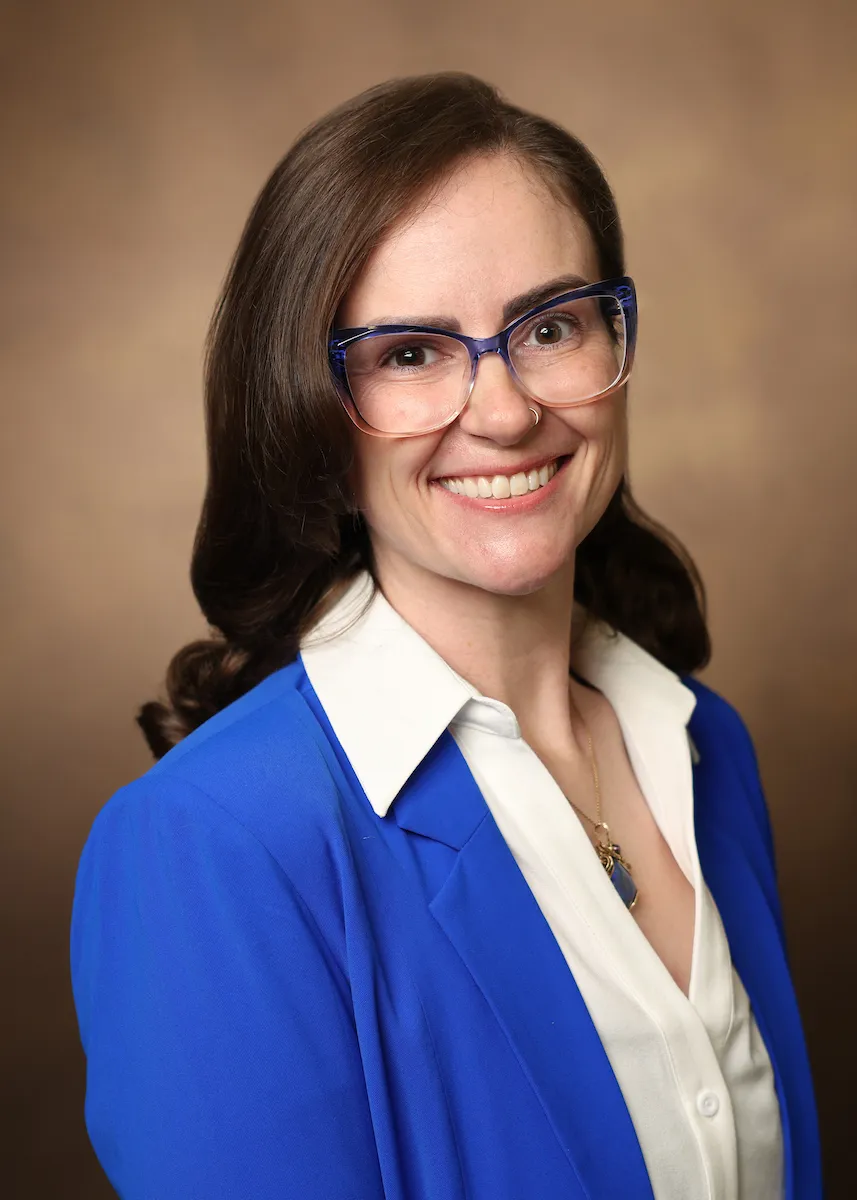
Megan Dupuis, MD, PhD
Assistant Professor of Medicine
Director, Internal Medicine Residency Program
Follow Us