Advanced Lung Disease and Transplantation Fellowship

One year comprehensive clinical training experience

Welcome to the Vanderbilt Health Advanced Lung Disease and Transplantation Fellowship program. Our overarching goal is to offer advanced training in lung transplantation, the care of advanced lung disease, and scientific investigation.

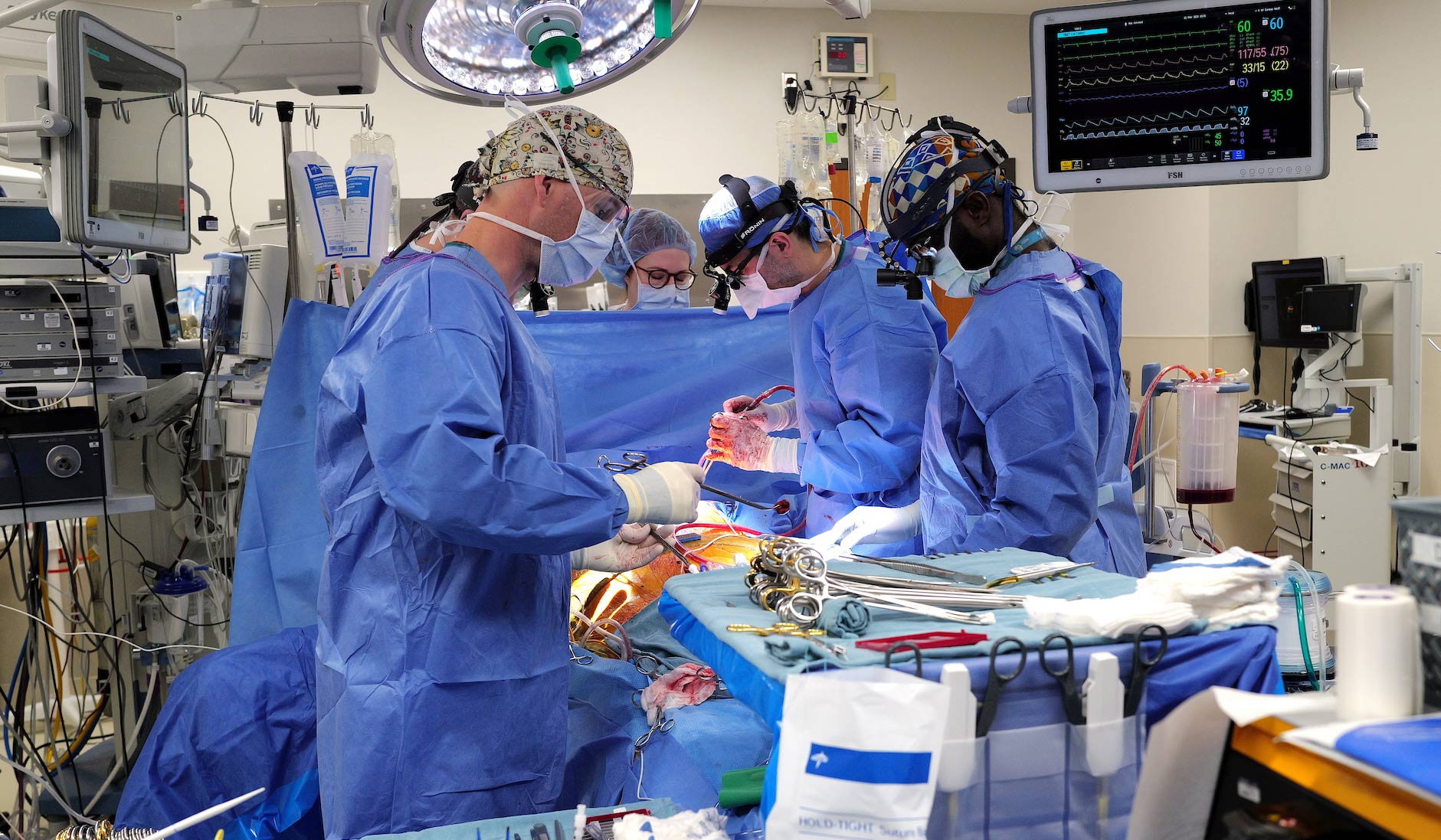
The Department of Medicine’s one-year clinical program offers a comprehensive training experience in all aspects of lung transplantation and advanced lung disease at the world's largest solid organ transplant center with lung transplant outcomes among the nation's best.

Lung transplant fellowship

Program highlights

This fellowship includes training in the following:

  • Management of advanced ILD, PH, COPD, and CF
  • Evaluation of potential candidates for transplantation
  • Optimization and selection of candidates for listing
  • Management of highly sensitized waitlist candidates
  • Selection of patients for multi-organ transplantation
  • Donor evaluation and management
  • ECMO bridging before and after lung transplantation
  • Postoperative management and peri-transplant critical care
  • Titration of multiagent immunosuppressive regimens
  • Identification and management of both acute and chronic graft rejection
  • Management of transplant related airway complications
  • Bronchoscopy for anastomotic assessment
  • Bronchoscopy for transbronchial lung biopsy and cryobiopsy
  • Longitudinal care of lung transplant recipients
  • Consideration and selection of patients for redo transplantation

Our program accepts one fellow per year for our one-year clinical fellowship. While fellows receive a primary base of training in lung transplantation, we allow considerable flexibility for subspecialty training in advanced lung disease to meet trainee's individual goals.

To accomplish this, fellows are supported by an individualized and robust mentorship team who instruct trainees but also advocate for them on national and international professional platforms. By the end of their training, fellows will be able to demonstrate proficiency in the management of lung transplant patients from pretransplant evaluation through index hospitalization, and long-term outpatient management.

During the year of clinical training, fellows will have a curated balance of inpatient and outpatient time, including:

  • Five months of dedicated inpatient time including: 
    • Three months on our primary advanced lung disease and transplantation service 
    • One month of inpatient time in our cardiovascular ICU on the post-lung team 
    • Two weeks on the ECMO service 
    • Two weeks on the transplant infectious disease service 
  • Five and a half months of dedicated outpatient time 
  • Two weeks of inpatient attending responsibilities 
  • Four weeks of vacation to be taken during outpatient blocks 
  • Mixed multidisciplinary didactic series of lectures, chalk talks, simulation 
  • Quarterly feedback sessions with program leadership

Fellow enrichment opportunities 

  • Four weeks of elective time, HLA lab, and transplant pathology instruction to be taken during outpatient blocks 
  • Up to five donor runs to experience organ procurement 
  • Education and experience in the interpretation and management of organs on EVLP 
  • Experience and education in the review of donor offers 
  • Experience in the conduct of transplant related procedures 
  • Protected research/quality improvement time 
  • Protected and funded participation in national and international meetings 
  • Active weekly participation at the lung transplant selection committee

Elective/sub-specialization opportunities 

  • Transplant infectious disease** 
  • Cardiothoracic intensive care** 
  • Extracorporeal membrane oxygenation 
  • Donor management Interventional pulmonology 
  • Cystic fibrosis 
  • Pulmonary hypertension 
  • Interstitial lung disease 
  • Advanced COPD 
  • Clinical Research

** 1 block week required as part of curriculum and not included in 4 weeks of electives

Advanced lung disease service: On ALDS the fellow will primarily rotate on “Index/Acute” Team A service where they will get detailed and robust experience managing high acuity inpatient evaluations, postoperative index lung transplant patients, and higher acuity admissions of longitudinal transplant patients.

Fellows will also spend some time on our “Team B” service managing longitudinal patients coming for augmented immunosuppression for rejection, less acute inpatient evaluations, and extrapulmonary transplant related complications. Depending on individual training decisions, fellows may manage patients with advanced pulmonary hypertension on parenteral vasodilator therapies and advanced COPD following endobronchial valve placement.

Cardiovascular ICU: While embedded in our cardiothoracic ICU, the fellow will experience the monitoring and management decisions inherent in the immediate postoperative period. Fellows will join the dedicated post-lung transplant team within the ICU, and function as an integrated member of the APP staffed team. Here the fellow will work directly with our Anesthesia/Critical Care colleagues and will also spend some time rotating on the post-heart transplant team to better understand the commonalities and differences within thoracic transplantation.

Transplant infectious disease: The goal of this rotation is to get exposure to the depth and breadth of the infectious considerations for transplant recipients. On this service, fellows will gain familiarity with the changing infectious complications at different temporal stages of immunosuppression post-transplant.

ECMO: Fellows will rotate with our thoracic surgeons and medical intensivists on theECMO consult service. They will gain familiarity with how different ECMO platforms/configurations are used to optimize candidates with different bridging priorities, support candidates during surgery, and protect grafts if needed after transplant.

HLA/immunology: Fellows will learn more about next generation HLA sequencing, and receive one-on-one review of high yield topics in transplant immunology with the HLA lab director. This will take place over several dedicated days throughout the first three months.

Histopathology: Fellows will obtain one-on-one instruction from our thoracic pathologists including a dedicated lecture and hands on case review. This will take place over several dedicated days throughout the first 3 months.

Lung Transplant Clinic: Fellows will have their own primary template which they will staff with rotating clinic attendings. Clinics will range from two to four and a half days per week depending on the time of year, and if the fellow has chosen to pursue additional disease sub-specialization. Fellows will not have any in-person clinic responsibilities while on inpatient lung transplant service.

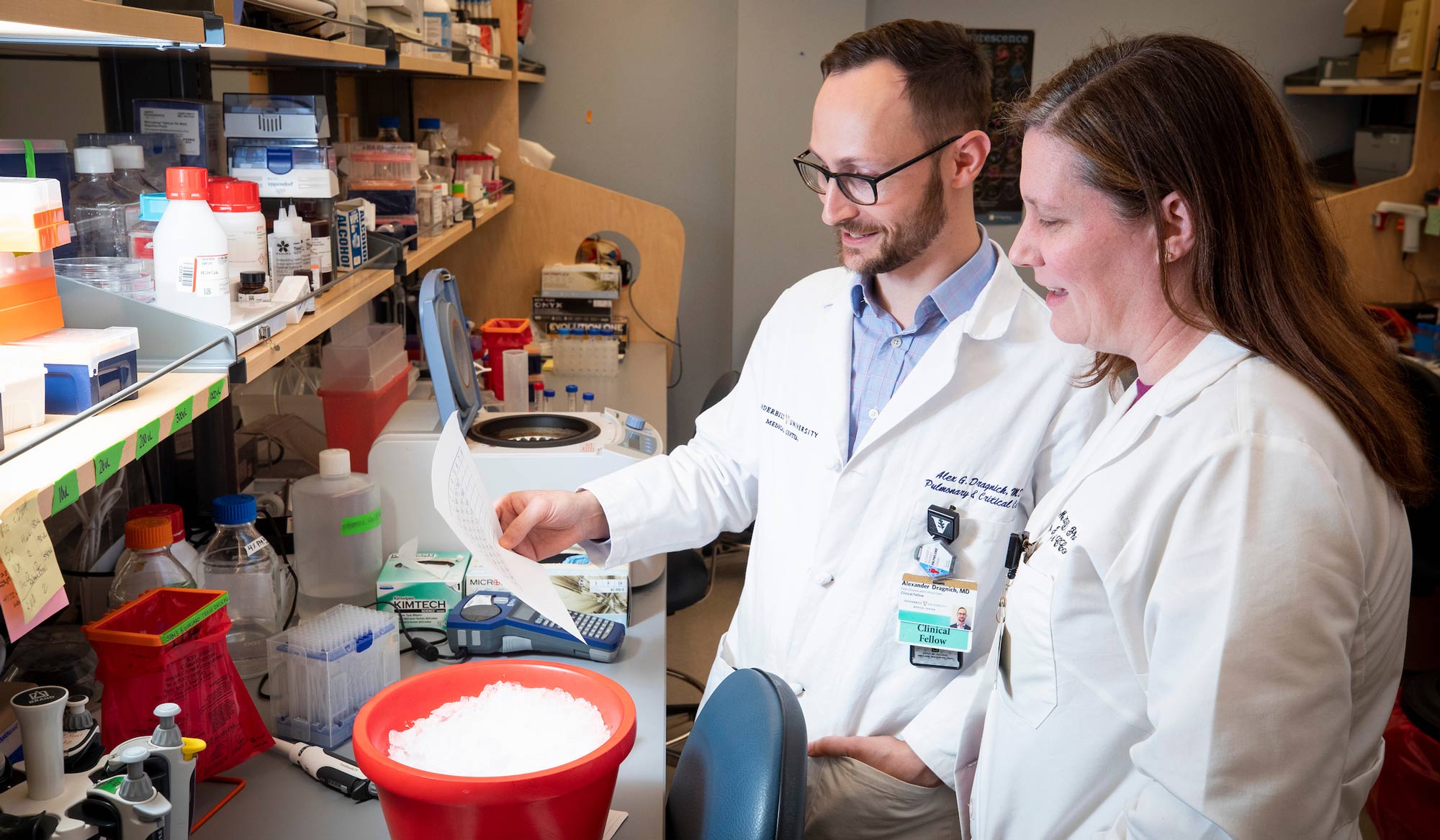
Fellows will benefit from exposure and active involvement in the many ongoing clinical investigations and/or QI projects within the transplant group. They will participate in our weekly lung transplant research meeting, and obtain one-on-one mentorship with our clinical investigators or QI leads. Research and QI activities are fully supported by a robust suite of statisticians, data abstraction specialists, and other ancillary support specialists within the transplant center as well as the pulmonary division. Fellows are fully supported in their participation at the annual International Society for Heart & Lung Transplantation (ISHLT) conference.

Fellows will benefit from access to a wide variety of internal and external conferences including: 

  • Lung transplant selection committee 
  • Lung transplant research conference 
  • Biweekly transplant infectious disease conference 
  • Invited internal and external lectures to the lung transplant group 
  • Pulmonary Grand Rounds 
  • Vanderbilt Center for Transplant Science Grand Rounds 
  • Monthly ISHLT lung transplant fellows collaborative 
  • Monthly Advanced Lung Disease Journal Club 
  • AST transplant fellows symposium 
  • ISHLT annual conference 
  • Other transplant or subspecialty pulmonary conferences depending on fellow electives and career goals

Applicants must provide: 

  • Documentation of graduation from an accredited Pulmonary and Critical Care fellowship (or documentation of anticipated graduation from their current fellowship program director) 
  • A personal letter of interest 
  • Updated Curriculum Vitae 
  • Two letters of reference 

Interested applicants may send the above items to Dr. Alex Dragnich, Dr. Ivan Robbins, and Mr. Michael Beasley

We are currently accepting applications for the start date of July 1, 2027. While rolling start dates will be considered on a case-by-case basis, applications will be due by March 1, 2027.

Questions and clarifications regarding the program or its requirements are always welcome, and can be sent to any of the above contacts.

Program Leadership

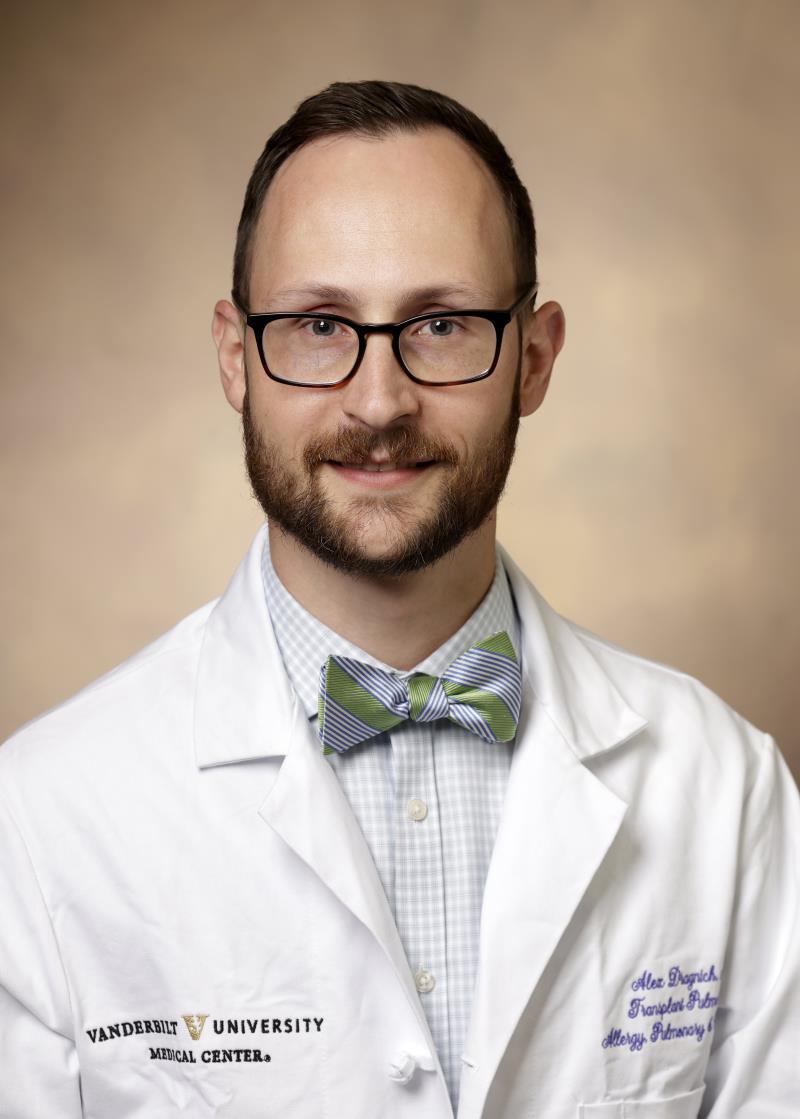
Alex Dragnich, MD

Alex Dragnich, MD

Assistant Professor of Medicine 
Fellowship Director, Lung Transplant Program

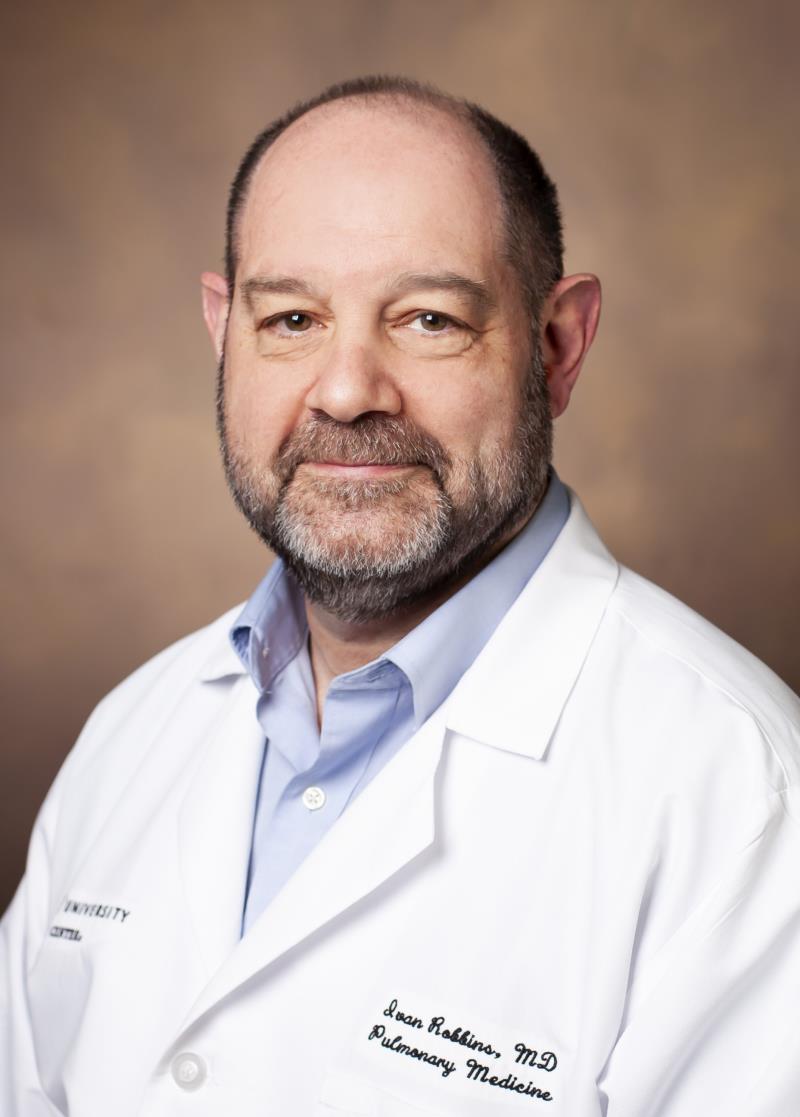
Ivan Robbins, MD

Ivan Robbins, MD

Professor of Medicine 
Fellowship Director, Lung Transplant Program

David Erasmus, MD

David Erasmus, MD

Associate Professor of Medicine 
Medical Director, Lung Transplant Program

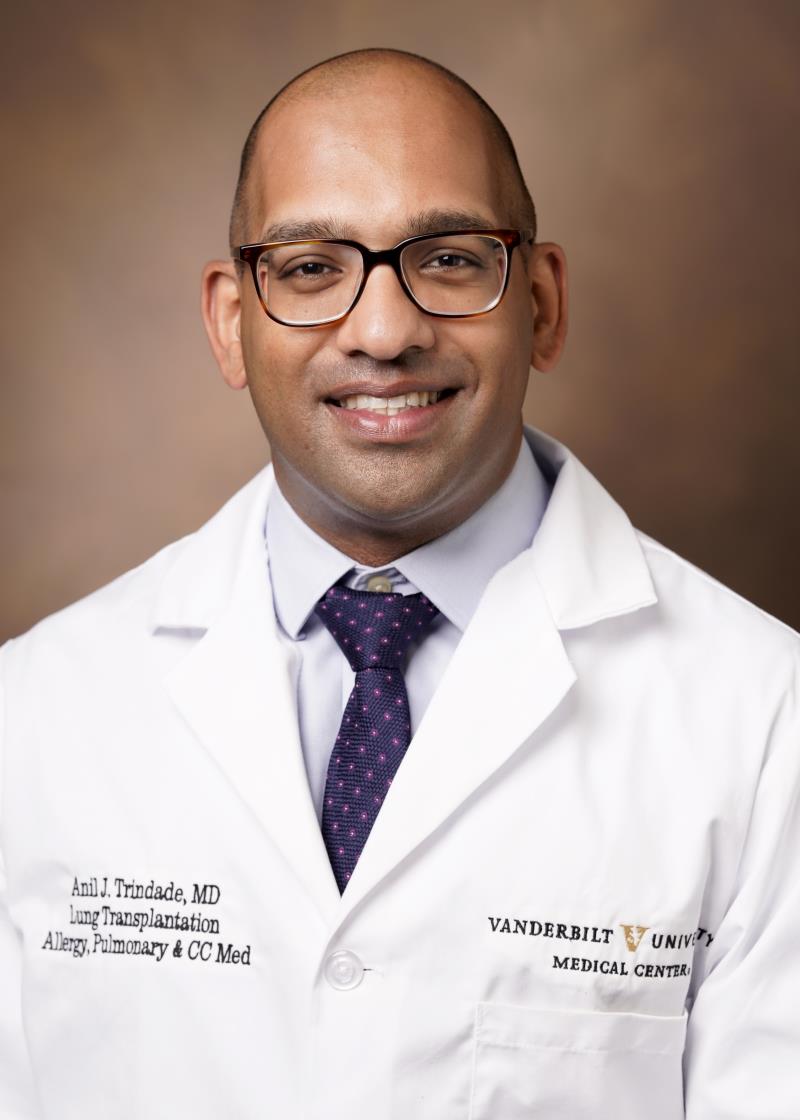
Anil Trindade, MD

Anil Trindade, MD

Professor of Medicine 
Associate Medical Director, Lung Transplant Program

Ciara Shaver, MD, PhD

Ciara Shaver, MD, PhD

Associate Professor of Medicine 
Associate Director, Vanderbilt Center for Transplant Science

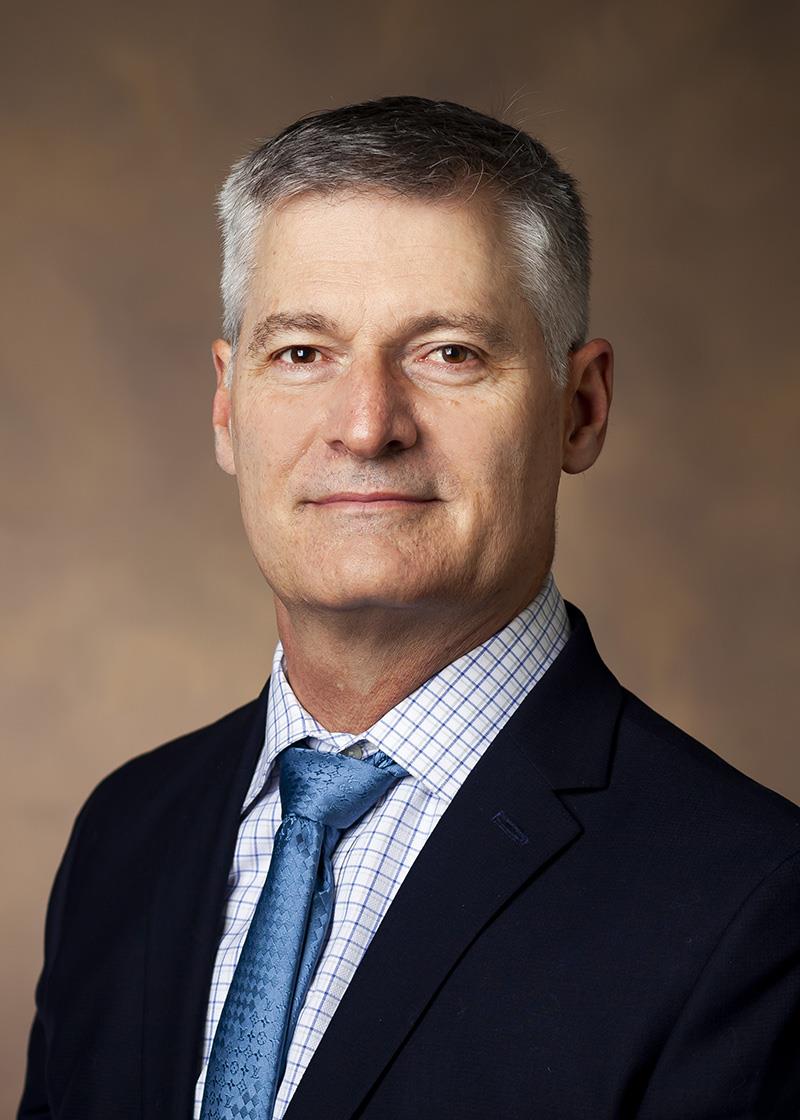
Michael Beasley

Michael Beasley

Fellowship Program Coordinator 
michael.t.beasley@vumc.org