Vanderbilt OncoLogy Training Program (VOLT)
Mentorship and integrated training
Trainees in the Vanderbilt OncoLogy Training Program are primarily participating in the pediatric and adult Hematology and Oncology Fellowship programs at VUMC. However, trainees may be eligible from other groups such as gynecologic oncology, dermatology, and pathology, as well as other clinical specialty fields in which a candidate physician is developing a clinical/translational cancer research career.
We strongly encourage integrated projects and training that includes the concept of co-mentorship, particularly in the fields of bioinformatics, genetics, precision medicine, and cancer outcomes and control.
Mentorship and integrated training
Trainees in the Vanderbilt OncoLogy Training Program are primarily participating in the pediatric and adult Hematology and Oncology Fellowship programs at VUMC. However, trainees may be eligible from other groups such as gynecologic oncology, dermatology, and pathology, as well as other clinical specialty fields in which a candidate physician is developing a clinical/translational cancer research career.
We strongly encourage integrated projects and training that includes the concept of co-mentorship, particularly in the fields of bioinformatics, genetics, precision medicine, and cancer outcomes and control.
Trainees of the VOLT program are expected to participate in the following curriculum:
- Mentored research project
- Training in principals of molecular oncology and immuno-oncology
- Participation in an advanced degree program related to career goals (MSCI, MPH, or equivalent) or at minimum complete the course modules on Biostatistics and Clinical Trial Design
- Quarterly programs on communication skills, resiliency, leadership, and strategy
- Annual course on grant writing and participation in grant writing studios
- Participation in an annual retreat
- Participation in weekly Works in Progress Meetings
Trainees are expected to identify a mentor early in the year prior to the initiation of the award to establish a project plan, identify strategies to rapidly acquire the knowledge base needed to successfully launch their project (e.g., writing a review article, preparing a book chapter), and begin to communicate with collaborators.
The Program Leadership, Steering Committee, and External Advisory Committee evaluate the program annually. The VOLT program tracks data regarding the long-term outcomes of trainees. Some of these metrics for evaluation include:
- Academic trajectory
- Receipt of grant awards
- Publications
- Time to career development award, time to first corresponding author publication, time to faculty position
The trainee-mentor relationship is critical to the long-term success of the VOLT trainee. There are over 45 potential mentors or junior co-mentors for the program. The group allows for topic and mentoring style choices for trainees. All preceptors have a focus on research, teaching, and training directly relevant to the training program goals.
Trainees will participate in a project or projects directly related to their mentor's research with the expectation of becoming increasingly independent over time. Trainees are explicitly expected to develop their own ideas, hypotheses, and skill sets, rather than simply accomplishing tasks defined by their preceptor. Creativity and rigorous, critical evaluation of data is emphasized.
Trainees are encouraged to seek mentorship from one or more of the expert mentors/investigators listed below in the following research niches:
Molecular Oncology
Scott Borinstein, MD, PhD
Richard Caprioli, MD
Jin Chen, MD, PhD
Robert Coffey, MD
Bruce Compass, PhD
David Cortez, PhD
Debra Friedman, MD, MS
Scott Hiebert, PhD
Richard Ho, MD, MSCI
Christine Lovly, MD, PhD
Barbara Murphy, MD
Ben Ho Park, MD, PhD
Jennifer Pietenpol, PhD
Ann Richmond, PhD
William Tansey, PhD
Alissa Weaver, MD, PhD
Sandra Zinkel, MD, PhD
Therapeutic Development, Tumor Immunology and Immunotherapy
Vandana Abramson, MD
Justin Balko, PhD, PharmD
Kristin Ciombor, MD, MSCI
Cathy Eng, MD
Douglas Johnson, MD, MSCI
Olalekan Oluwole, MD, MPH
Richard Peek, MD
Jeffrey Rathmell, PhD
Brian Rini, MD
Eben Rosenthal, MD
Michael Savona, MD
C. Henrique Serezani, PhD
John Wilson, PhD
Bioinformatics, Big Data, and Cancer Outcomes
Melinda Aldrich, MD, PhD
Danield Barocas, MD, MPH
Qiuyin Cai, MD, PhD
Nancy Cox, PhD
Stacie Dusetzina, PhD
Debra Friedman, MD, MS
Kelvin Moses, MD, PhD
Tuya Pal, MD
David Penson, MD, PhD, MMHC
Xiao Ou Shu, MD, PhD
Yu Shyr, PhD
Georgia Wiesner, MD, MS
Consuelo Wilkins, MD, MSCI
Karen Winkfield, MD, PhD
Wei Zheng, MD, PhD, MPH
The Vanderbilt OncoLogy Training Program's External Advisory Committee (EAC) consults, critically reviews, and advises the training program. The EAC was selected to represent highly skilled individuals who are broadly considered to be expert clinician investigators and who additionally have strong skills in mentorship and training program leadership.
Committee members:
Lindsay Frazier, MD
The VIMORTP Steering Committee consists of leaders representing the themes of molecular oncology research at Vanderbilt. This group collaborates to advise the program directors on improving program operations and serves as the selection committee for the identification of trainees.
Committee members and area of expertise:
Carrie Kitko, MD, Pediatrics
Christine Lovly, MD, PhD, Thoracic Malignancies
Ben Ho Park, MD, PhD, Precision Oncology
Michael Debaun, MD, MPH, Pediatrics/Sickle Cell
Barbara Murphy, MD, Head and Neck Oncology
Cathy Eng, MD, Surgical and Medical Oncology/GI
Jeff Rathmell, PhD, Host Tumor Interaction
Ann Richmond, PhD, Cancer Cell Biology
Jordan Berlin, MD, GI Program/Phase I
Michael Savona, MD, Hematologic Malignancies
| Year Appointed | Name | Credentials | Title of Project | Current Position |
|---|---|---|---|---|
| 2022 | Catherine Fahey | MD | Identification of autoantibodies in melanoma patient samples in order to understand development of immune related adverse events | Clinical Fellow, Hematology/Oncology |
| 2022 | Eric Lander | MD | Genomic alterations associated with early-onset and late-onset colorectal cancer | Clinical Fellow, Hematology/Oncology |
| 2022 | Michael Robinson | MD | Pediatric/AYA Research of Survivorship in Sarcoma Treatment" (PERSIST) | Clinical Fellow, Pediatric Oncology |
| 2021 | Eden Biltibo | MD | Impact of daratumumab in the treatment of real-world transplant eligible multiple myeloma patients | Clinical Fellow, Hematology/Oncology |
| 2020 | Brian Grieb | MD | Selective Suppression of Ribosomal Protein Gene Transcription as a Novel Therapy in Colorectal Cancer | Clinical Fellow, Hematology/Oncology |
| 2020 | Justin Lo | MD, PhD | Albumin-binding nanocomplexes for delivery of siRNA therapeutics to cholangiocarcinoma | Clinical Fellow, Hematology/Oncology |
| 2020 | Sara Nunnery | MD, MSCI (In Progress) | Biomarker analysis of patients with breast cancer receiving immunotherapy | Clinical Fellow, Hematology/Oncology |
| 2020 | Isik Turker | MD | Mouse and Human Studies to Assess Long-Term Cardiovascular Sequelae of Immune-Checkpoint Inhibitors | Clinical Fellow, Cardiovascular Medicine |
| 2019 | Zhuoyan (Yan) Li | MD | T cells phenotype and function in the Tumor Microenvironment | Medical Oncologist, Sandra and Malcolm Berman Cancer Institute |
| 2019 | Dilan Patel | MD | Understanding the mechanisms and implications of post-transplant diabetes mellitus (PTDM) in recipients of allogeneic hematopoietic cell transplantation | Advanced BMT Fellow, Washington University School of Medicine in St. Louis |
| 2019 | Caroline Nebhan | MD, PhD | (TME) of Acute Myeloid Leukemia (AML) | Clinical Fellow, Hematology/Oncology |
| 2018 | Brianna Smith | MD, MS | Leveraging Epigenetic Modification to Treat MPS/MPN Overlap Syndromes | Instructor of Pediatrics, Div. Pediatric Hematology and Oncology, VUM |
| 2018 | Andrew Sochacki | MD | Predicting the Evolution of Clonal Hematopoiesis to Myelodysplastic Syndromes | Medical Oncologist, Grand Rapids Michigan and Cancer and Hematology Centers of Western Michigan |
Thank you for your interest in submitting a Vanderbilt Oncology Training Program application. The application window for the 2025-2026 academic year closed on Feb. 28, 2025. Application information for the 2026-2027 academic year will be announced in the coming months.
Eligibility
VOLT trainees are primarily participating in the adult and pediatric Hematology and Oncology Fellowship programs at VUMC. However, trainees may be eligible from other groups such as gynecologic oncology, dermatology, and pathology, as well as other clinical specialty fields in which a candidate physician is developing a clinical/translational cancer research career.
We strongly encourage integrated projects and training that includes the concept of co-mentorship, particularly in the fields of bioinformatics, genetics, precision medicine, and cancer outcomes and control.
Guidelines for eligibility of applicants:
Fellows or residents with at least one year of training and an MD or MD/PhD, or equivalent degree who wish to conduct clinical or translational research and have at least 2 years remaining in training are eligible. Training positions may include fourth year of fellowship. Candidates may be from the adult or pediatric Hematology and Oncology divisions, although candidates in other disciplines may be considered. The applicant(s) should discuss the eligibility, expectations, and benchmarks with the director or associate directors before applying for the award.
Applicants must have identified a faculty mentor with an established extramurally funded research program who will work closely to facilitate their career development in cancer research. Faculty mentors who are not members of the training faculty will need to submit a letter of commitment and be approved by a majority vote of the Steering Committee prior to the fellow or resident being considered as a candidate.
The sponsoring clinical department chair must commit to provide 80% research time and $500 per year for participation of the trainee in the annual retreat.
To apply for the VOLT program, the following information is required for the application:
- Biosketch of the applicant and the mentor in the NIH PHS 398 form
- Letter of support from the research mentor outlining the plan for mentoring and timeline to achieve goals
- Two-page research proposal
- Statement on the applicant’s career goals indicating his or her career goals and commitment to a career in cancer research
- Letter from the department chair or division director supporting the applicant’s proposal and the research effort and commitment of $500 toward retreat expenses
Contact us:
Interested applicants should e-mail Lucy Phillips, Program Manager, prior to submitting an application.
Interested applicants can set up a meeting with VOLT program directors Drs. Debra Friedman, Douglas Johnson or Mary Philip to review details of the training program and application process.
Interested applicants should e-mail Lucy Phillips, Program Manager, prior to submitting an application.
Program Leadership

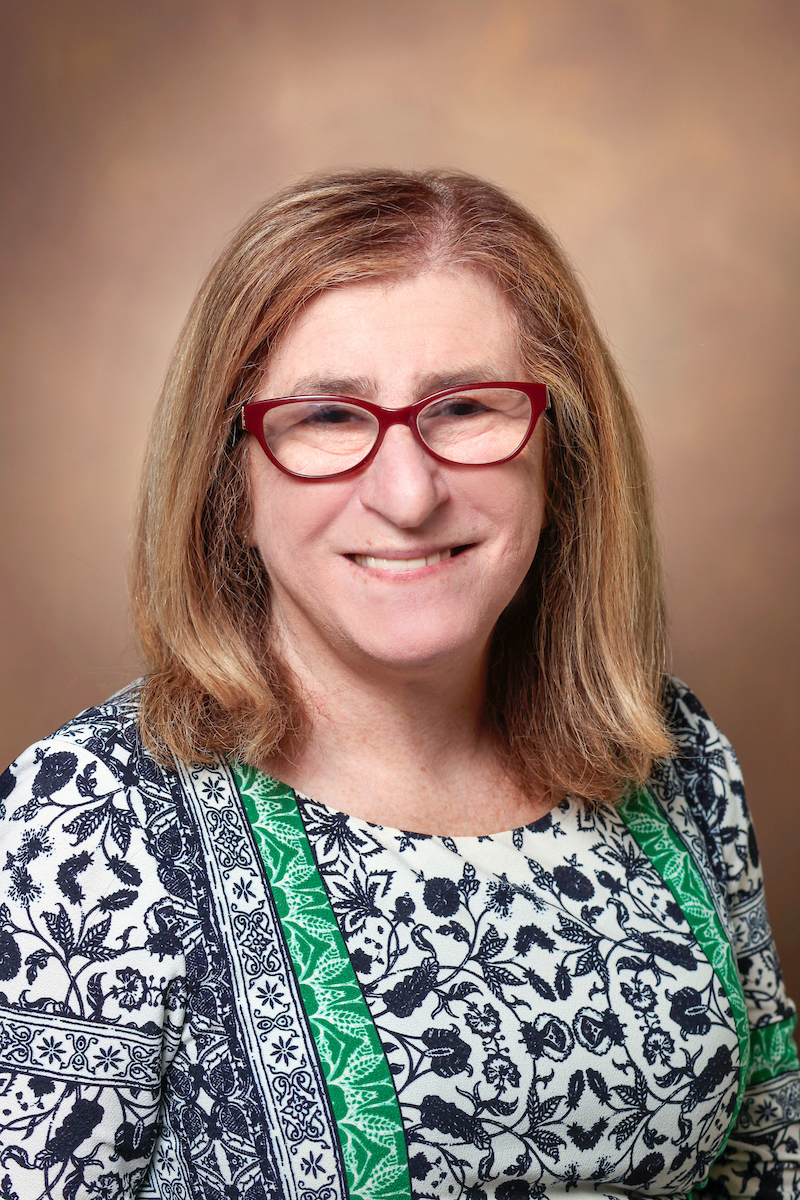
Debra Friedman, MD
Professor of Pediatrics
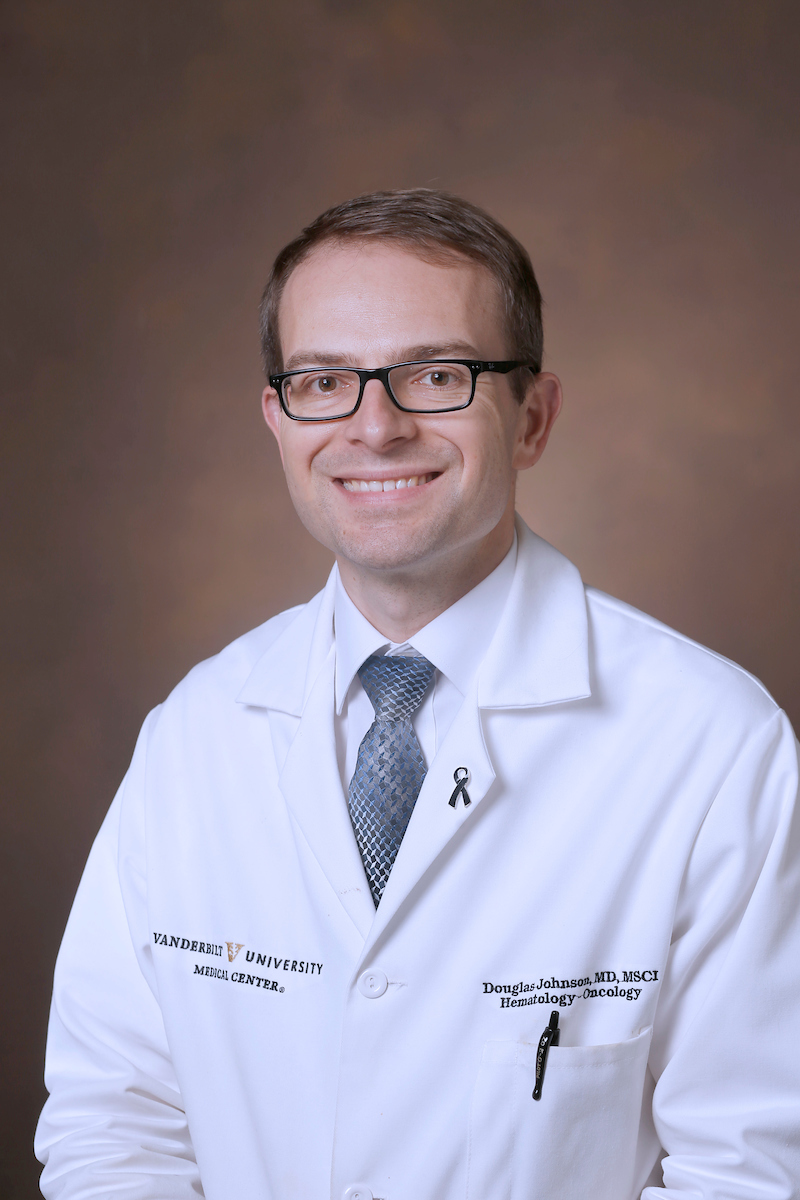
Douglas Johnson, MD, MSCI
Professor of Medicine
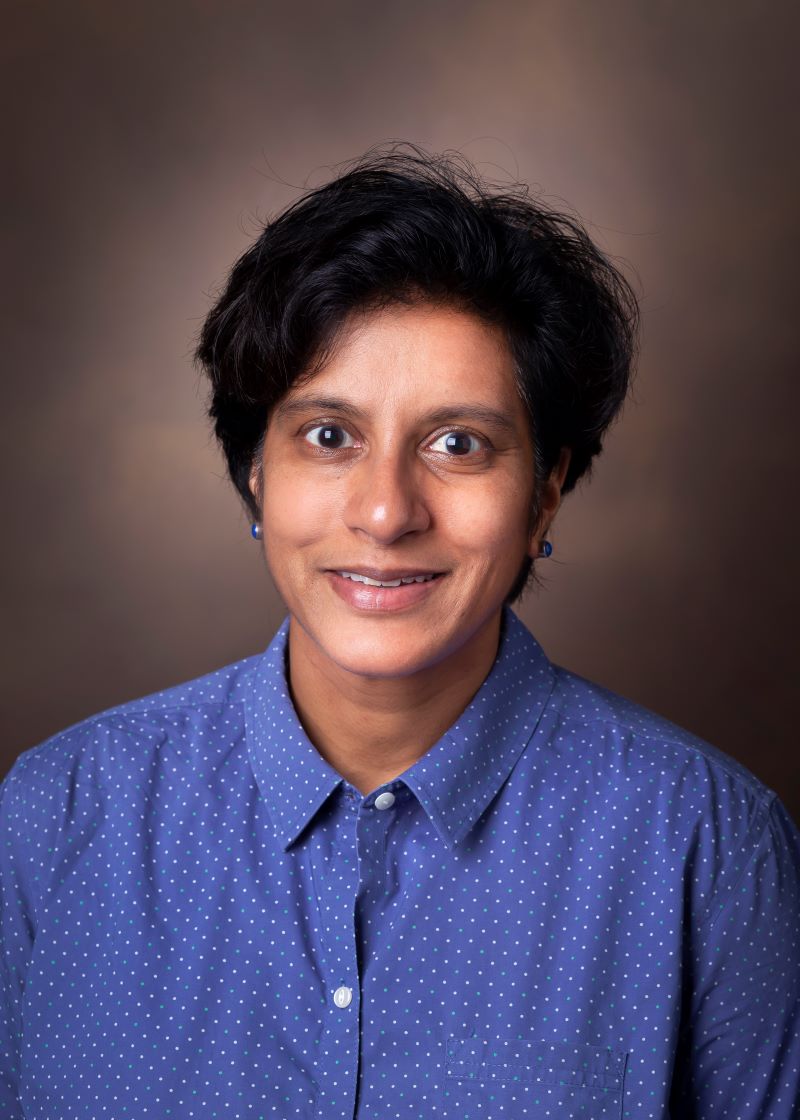
Mary Philip, MD, PhD
Assistant Professor of Medicine